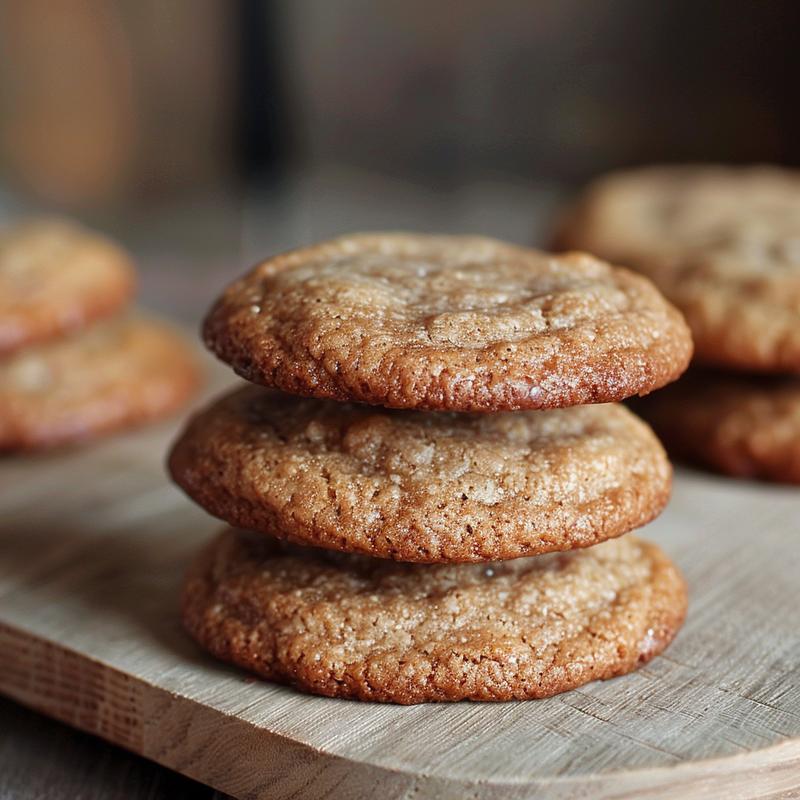
Unlocking the Sweet Side: Diabetic-Friendly Cookie Recipes
Are you ready to indulge your sweet tooth without the guilt? Discover our collection of 10 diabetic-friendly cookie recipes that are low in carbs and high in flavor! These recipes allow you to enjoy treats while effectively managing your health. Each cookie is designed with your needs in mind, ensuring you can savor every bite without compromising your lifestyle.
Why You’ll Love These Recipes
- Healthier Indulgence: Each cookie is crafted to be low in sugar and carbs, making them perfect for anyone monitoring their blood glucose levels.
- Flavor-Packed: These recipes are not just about health; they deliver on taste, ensuring you won’t miss out on the joy of cookies.
- Versatile Ingredients: You’ll find ingredient substitutions that fit various dietary needs, including gluten-free and nut-free options.
- Simple & Quick: Most recipes can be prepared in under 30 minutes, making them easy for busy lifestyles.
- Fun Variations: Explore different flavor profiles and textures, ensuring that there’s something for everyone!
Essential Ingredients Breakdown
Understanding the ingredients used is key to mastering these diabetic-friendly cookies. Here’s a detailed breakdown of what you’ll need, along with possible substitutions:
- Almond Flour: A low-carb alternative to traditional flour, rich in protein and healthy fats. Substitution: You can use coconut flour, but reduce the quantity due to its high absorbency.
- Coconut Flour: Adds a subtle sweetness and fiber. Substitution: You can replace it with more almond flour but adjust the liquid ingredients.
- Erythritol: A sugar substitute that has minimal impact on blood sugar levels. Substitution: Stevia or monk fruit sweetener can also be used.
- Unsalted Butter: Provides richness and flavor. Substitution: Coconut oil or ghee for a dairy-free option.
- Egg: Acts as a binder; vital for the cookie structure. Substitution: Flax egg (1 tbsp ground flaxseed mixed with 3 tbsp water) for a vegan alternative.
Pro Tips for Perfect Cookies
- Room Temperature Ingredients: Make sure your butter and eggs are at room temperature for better mixing and texture.
- Don’t Overmix: Combine the ingredients just until incorporated to avoid dense cookies.
- Chill the Dough: For thicker cookies, chill the dough for 30 minutes before baking.
- Watch Your Oven: Keep an eye on your cookies as baking times can vary based on your oven and cookie size.
- Use Parchment Paper: This prevents sticking and makes for easy cleanup.
- Test for Doneness: Cookies should look slightly underbaked when you remove them, as they will continue to cook on the tray.
- Experiment with Flavors: Add spices like cinnamon or nutmeg for a flavor boost.
- Storage tips: Cool completely before storing in an airtight container to maintain freshness.
Common Mistakes and Troubleshooting
Even the most seasoned bakers can run into issues. Here are some common pitfalls and how to avoid them:
- Cookies Spread Too Much: Ensure your butter isn’t too warm; it should be softened, not melted.
- Cookies Are Too Hard: This can happen if they are overbaked. Always check them a few minutes early.
- Texture Issues: If your cookies are too crumbly, consider adding a bit more fat or moisture to the dough.
- Uneven Baking: Rotate your baking sheet halfway through to ensure even cooking.
Cookie Variations to Try
Get creative with these variations to keep things exciting:
- Chocolate Chip Cookies: Add sugar-free chocolate chips for a classic favorite.
- Nutty Cookies: Incorporate chopped nuts like walnuts or pecans for added crunch and protein.
- Oatmeal Cookies: Use rolled oats for a heartier texture; ensure they’re gluten-free if needed.
- Spiced Cookies: Add ginger or pumpkin spice for a seasonal twist.
Storage and Make-Ahead Instructions
To make life easier, consider these storage and prep tips:
- Storage: Keep cookies in an airtight container at room temperature for up to a week. For longer storage, freeze them in a single layer, then transfer to a sealed bag.
- Make-Ahead: You can prepare the dough ahead of time and keep it in the fridge for up to three days or freeze it for up to three months. Just scoop and bake when ready!
Comprehensive FAQ
Got questions? We’ve got answers:
- Can I replace almond flour with regular flour? No, regular flour is higher in carbs and will change the texture.
- Are these cookies keto-friendly? Yes, they are low in carbs and suitable for a keto diet.
- Can I use other sweeteners? Yes, but be mindful of the conversion ratios, as they vary.
- How do I make these cookies gluten-free? Use certified gluten-free almond flour and check other ingredients for gluten.
- What if I don’t have erythritol? You can substitute with other sugar alternatives, but adjust for sweetness.
- How can I enhance the flavor? Try adding extracts like almond or coconut for more depth.
- Can I make these cookies vegan? Yes, replace the egg with a flax egg and use coconut oil instead of butter.
- What’s the best way to enjoy these cookies? Pair them with a glass of unsweetened almond milk or a cup of herbal tea for a delightful treat.
Nutritional Insights and Dietary Adaptations
Each cookie has its own unique nutritional profile. Here’s how to make the most of them:
- Protein Boost: Add protein powder to the dough for an extra health kick.
- Healthy Fats: Incorporate nut butter or chia seeds for additional omega-3s.
- Fiber-Rich Additions: Consider adding ground flaxseed or chia seeds to enhance fiber content.
- Portion Control: Keep an eye on serving sizes, especially if you’re watching your carb intake.
Essential Equipment for Baking Success
Having the right tools makes a world of difference:
- Baking Sheet: A sturdy, heavy-duty baking sheet ensures even heat distribution.
- Parchment Paper: Prevents sticking and simplifies cleanup.
- Mixing Bowls: A set of various sizes for mixing wet and dry ingredients.
- Measuring Cups and Spoons: Precision is key in baking.
- Cooling Rack: Essential for allowing cookies to cool evenly.
Serving Suggestions for Your Cookies
Enhance your cookie experience with these serving ideas:
- Pair with Dairy Alternatives: Enjoy with unsweetened almond or coconut milk.
- Cookie Platter: Create a platter with different types for a visually appealing treat.
- Ice Cream Sandwiches: Use sugar-free ice cream for a delightful sandwich treat.
As we conclude our exploration of diabetic-friendly cookie recipes, it’s clear that you can satisfy your sweet cravings without sacrificing your health. With a little creativity and the right ingredients, your kitchen can be a laboratory of delicious, guilt-free desserts. So, gather your ingredients, experiment with flavors, and enjoy every bite guilt-free. Happy baking! 🍪
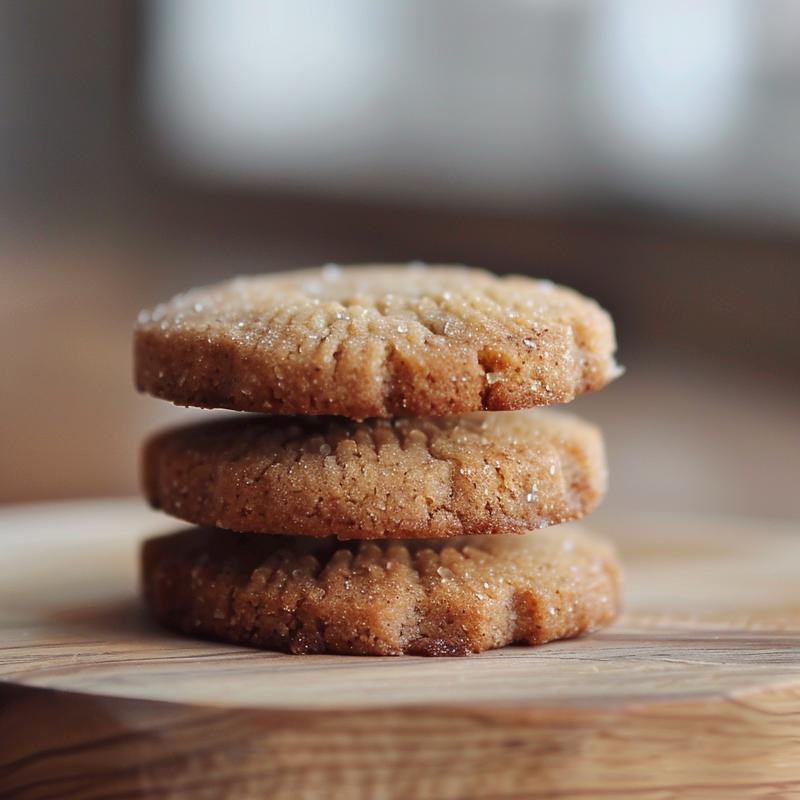

10 Diabetic-Friendly Cookie Recipes (Low-Carb) | Diabetes Strong
Ingredients
Method
- Preheat oven to 350°F (175°C) and line a baking sheet with parchment paper.
- Mix dry ingredients in a bowl; cream butter and erythritol in another.
- Add egg and vanilla to wet mixture, then combine with dry ingredients to form dough.
- Fold in chocolate chips and nuts if using, then scoop onto baking sheet and flatten.
- Bake for 10-12 minutes until edges are golden; cool before serving.
Notes
Loved this recipe? Save it to your favorite Pinterest board so you can easily find it later! ✨